
What Happens After a Car Accident? A Step-by-Step Guide to the Auto Body Center’s Process
A car accident can turn an ordinary day into a stressful and confusing experience. Drivers may be left dealing with vehicle damage, insurance questions, transportation problems, and concerns about how long repairs will take. Even when no one is seriously injured, getting a damaged vehicle back on the road involves several steps that restore safety, appearance, and performance.
Understanding what happens at auto body centers can make the repair process feel more manageable. From the first inspection to the final quality check, technicians follow a structured approach designed to identify damage, create an accurate repair plan, communicate with insurers, and complete the work correctly. Knowing what to expect can help drivers ask better questions and prepare for possible delays.
Documenting the Initial Damage
The process usually begins with a careful inspection of the vehicle. Technicians examine visible damage to the body, bumpers, lights, glass, wheels, and exterior panels. They may also take photographs from several angles to create a clear record of the vehicle’s condition when it arrives. This documentation supports the estimate and assists the insurance company.
During this stage, the repair team may ask how the collision occurred and whether the vehicle has been driven since the accident. Details about warning lights, unusual noises, steering problems, or fluid leaks can help identify concerns that are not immediately visible. These details can help technicians locate hidden damage.
Preparing the Repair Estimate
After the initial inspection, the shop prepares an estimate outlining the expected repairs, labor, parts, materials, and refinishing work. The estimate may include replacing damaged panels, repairing dents, restoring paint, correcting structural issues, and inspecting safety systems. It is an early plan, but the cost can change if disassembly reveals additional damage.
Experienced auto body centers explain the estimate and answer questions about the recommended work. Drivers should understand which parts will be repaired, which will be replaced, and whether original equipment, aftermarket, or recycled components may be used. A clear estimate helps customers understand the expected scope and timeline.
Coordinating With the Insurance Company
If an insurance claim is involved, the repair facility may communicate with the insurer, claims adjuster, or appraiser. The shop can provide photographs, estimates, parts information, and documentation supporting the proposed repairs. This helps the insurer determine which costs the policy covers.
Insurance approval can affect how quickly work begins, especially when the adjuster requests another inspection or questions part prices and repair procedures. Drivers should remain in contact with both the shop and their insurance representative. The vehicle owner remains responsible for understanding deductibles, rental coverage, and policy limitations.
Disassembling the Damaged Areas
Once authorization is received, technicians may remove damaged exterior parts to see what is underneath. Bumpers, trim, lights, panels, and other components can hide structural or mechanical damage. This stage often reveals whether the original estimate accurately reflects the work required or whether additional repairs are necessary.
If hidden damage is discovered, the shop prepares a supplemental estimate and sends it to the insurer for approval. This may extend the timeline, but repairing only visible damage could leave safety or performance problems unresolved. Careful disassembly allows auto body centers to create a more complete repair plan before major work begins.
Ordering the Necessary Parts
After the repair plan is confirmed, the shop orders the required parts and materials. Availability can depend on the vehicle’s make, model, age, and the type of components needed. Common parts may arrive quickly, while specialized panels, sensors, lights, or structural components may take longer to obtain.
Reliable auto body centers inspect incoming parts before installation to confirm that they are correct and free from defects. A wrong or damaged part can delay the repair and create additional work. Shops may schedule certain repairs while waiting for other components, but some steps cannot move forward until all essential parts are available.
Repairing Structural Damage
If the collision affected the frame or unibody, technicians use specialized measuring and straightening equipment to restore proper alignment. Modern vehicles are designed with precise structural dimensions, so even a small shift can affect handling, tire wear, door operation, and crash protection. Measurements are compared with manufacturer specifications throughout the repair.
Structural repairs require skill because the goal is not simply to make the vehicle look straight. The underlying framework must support suspension components, safety systems, and body panels correctly. Restoring these measurements helps the vehicle perform as intended and creates a stable foundation for the remaining body and paint work.
Restoring the Body Panels
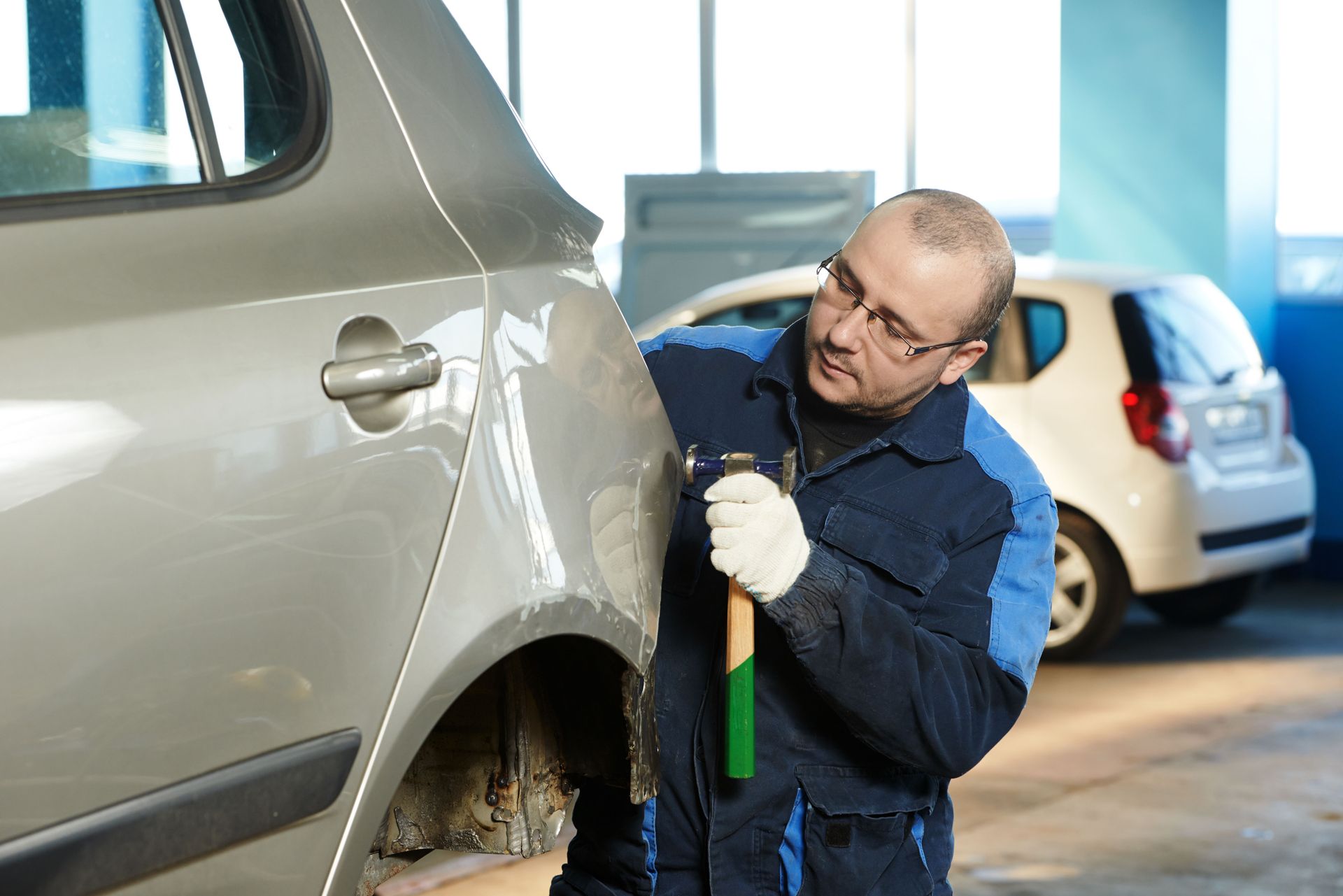
Once structural concerns are addressed, technicians repair or replace damaged body panels. Minor dents may be reshaped, while severely creased, torn, or stretched metal may require replacement. Technicians also check panel gaps, door operation, hood alignment, and trunk fit to create an even and consistent appearance.
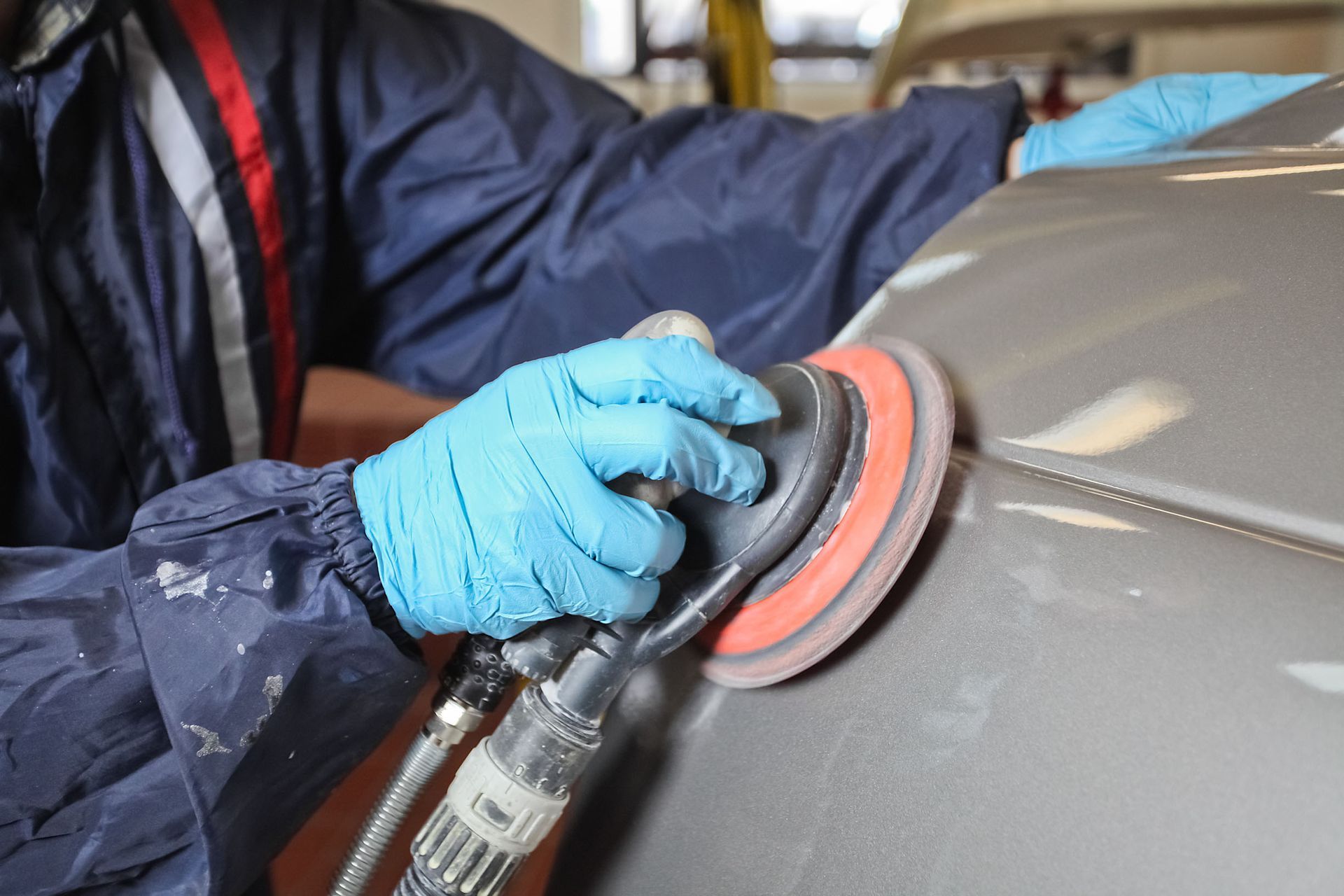
This stage often involves welding, sanding, filling, and surface preparation. The repaired areas must be smooth enough to accept primer and paint without revealing waves or imperfections. Skilled technicians work carefully because small alignment errors can become noticeable after refinishing, especially under bright light or on large exterior panels.
Matching and Applying the Paint
Paint matching is one of the most visible parts of collision repair. Technicians use the vehicle’s paint code, computerized formulas, spray-out cards, and visual comparison to recreate the existing color. Age, sunlight, previous repairs, and environmental exposure can slightly change the original finish, so matching the code alone may not be enough.
After the color is prepared, the shop applies primer, basecoat, and clear coat in a controlled paint booth. Blending may extend into nearby panels to create a smooth transition between the repaired and original surfaces. Proper curing and polishing help produce a durable finish with consistent color, gloss, and texture.
Reassembling the Vehicle
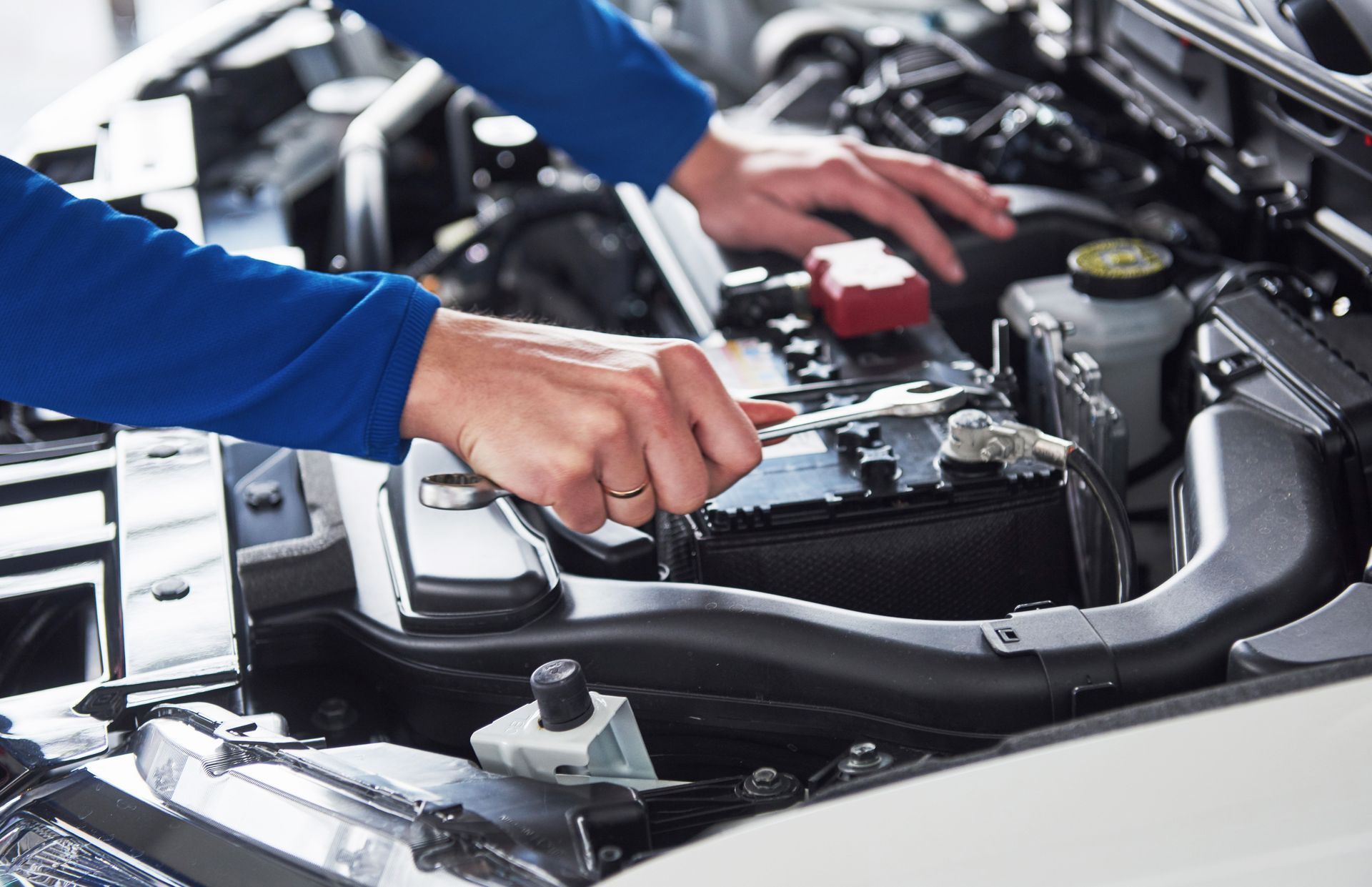
After refinishing is complete, technicians reinstall lights, trim, glass, bumpers, interior pieces, sensors, and other components removed during repair. Electrical connections and mounting points are checked carefully. The team also confirms that doors, windows, locks, mirrors, and other features operate correctly after reassembly.
Modern auto body centers may also need to calibrate cameras, radar units, parking sensors, or driver-assistance systems. These technologies can be affected by a collision or by removing and reinstalling nearby parts. Calibration helps confirm that the systems can identify road markings, vehicles, pedestrians, and obstacles as the manufacturer intended.
Completing the Final Inspection
Before the vehicle is returned, the shop performs a final quality-control inspection. Technicians review the repaired areas, paint finish, panel alignment, warning lights, fluid levels, and system operation. The vehicle may also receive a road test when appropriate to check steering, braking, noises, vibrations, and general handling.
According to Date Bridge Market Research, the automotive collision repair market is expected to grow to USD 42.14 billion by 2031. As repair technology and vehicle systems continue to evolve, thorough final inspections are increasingly important. Drivers should review the completed work with the shop, ask about warranties, and understand any care instructions for newly painted surfaces.
Receiving the Repaired Vehicle
At pickup, the shop should explain the repairs performed, the parts used, and any final recommendations. The customer may receive an itemized invoice, warranty information, and documentation related to insurance payments. Reviewing these materials before leaving gives the driver an opportunity to ask questions and confirm that the financial details are correct.
Drivers should inspect the vehicle in good lighting and test basic features before taking it home. Reputable auto body centers encourage customers to report concerns if something does not look or feel right. Prompt communication can help the shop determine whether an adjustment is needed and keep minor concerns from becoming larger problems.
The collision repair process involves much more than replacing a damaged panel or applying new paint. It includes documentation, estimating, insurance coordination, disassembly, structural work, refinishing, reassembly, calibration, and final inspection. By understanding how auto body centers approach each stage, drivers can follow the progress of their repairs and make informed decisions throughout the experience. For professional collision repairs and attentive service after an accident, contact Lake Country Collision.
Share On: