How Modern Auto Body Shops Use Advanced Technology for Precision Collision Repair
Collision repair begins with understanding the full extent of vehicle damage. Modern auto body shops increasingly rely on digital diagnostic systems, computerized measuring equipment, and electronic scanning tools to create a more complete picture of a vehicle’s condition. These technologies help technicians identify visible damage as well as issues that may be hidden beneath exterior panels or connected to electronic systems.
A detailed assessment is especially important because modern vehicles combine structural components, sensors, cameras, computers, and safety features. Damage that appears limited to a bumper or body panel may affect equipment located nearby. Digital diagnostics can help technicians determine which systems require additional inspection and provide information that supports a more accurate repair plan.
Technology also improves documentation throughout the assessment process. Digital photographs, measurements, scan results, and repair notes can be organized and reviewed as work progresses. This allows repair professionals to compare the vehicle’s condition before, during, and after repairs while maintaining a clearer record of the work performed.
Using Computerized Measuring to Restore Structural Alignment
Structural accuracy is a major part of collision repair. Even relatively subtle changes in alignment can influence panel fit, suspension geometry, and the way different parts of a vehicle interact. Computerized measuring systems allow technicians to evaluate structural dimensions with a level of precision that would be difficult to achieve through visual inspection alone.
Many auto body shops use electronic measuring equipment to compare vehicle dimensions with manufacturer specifications. This information can help technicians identify areas that have shifted during a collision and determine where corrective work is needed. Measurements can also be taken throughout the repair to verify progress rather than relying only on an inspection after the work is complete.
This approach supports consistency because technicians can work from objective data. Instead of estimating whether a structural component has returned to the correct position, repair professionals can evaluate measurements against established specifications. That precision becomes increasingly important as vehicle designs incorporate advanced materials and tightly integrated components.
Using Electronic Scanning to Evaluate Vehicle Systems
Today’s vehicles contain extensive electronic networks that control or support functions throughout the vehicle. A collision can affect these systems even when the associated damage is not immediately obvious. Pre-repair and post-repair scanning can therefore play an important role in identifying diagnostic trouble codes and determining whether electronic components require attention.
For auto body shops, electronic scanning provides another source of information alongside physical inspection. A scan may reveal communication faults, sensor concerns, or stored codes associated with systems affected by an impact. Technicians can use those findings to guide further evaluation and determine whether specific procedures are required.
Post-repair scanning is also useful for checking the vehicle after repair operations have been completed. The goal is not simply to clear warning messages but to verify that relevant systems have been properly evaluated. As vehicles become more software-dependent, electronic diagnostics are becoming closely connected with traditional body and structural repair.
Using Calibration Equipment to Support Safety Technology
Advanced driver assistance systems have changed the collision repair process. Cameras, radar units, ultrasonic sensors, and other components may support features related to braking, lane monitoring, parking assistance, and collision warnings. When a sensor is removed, replaced, repositioned, or affected by repairs, calibration may be required according to the vehicle manufacturer’s procedures.
Modern auto body shops may use specialized calibration equipment or coordinate calibration services as part of the repair process. Depending on the vehicle and system, calibration can involve static targets, dynamic procedures, or other manufacturer-defined methods. The important consideration is that sensor position and operation must be evaluated according to applicable specifications.
This work demonstrates how collision repair now extends beyond restoring visible appearance. A bumper cover, windshield, mirror, or body panel may be connected to technology that depends on precise positioning. Repair planning must account for these relationships so that cosmetic, structural, and electronic work are coordinated rather than treated as separate concerns.
Using Advanced Welding to Match Modern Materials
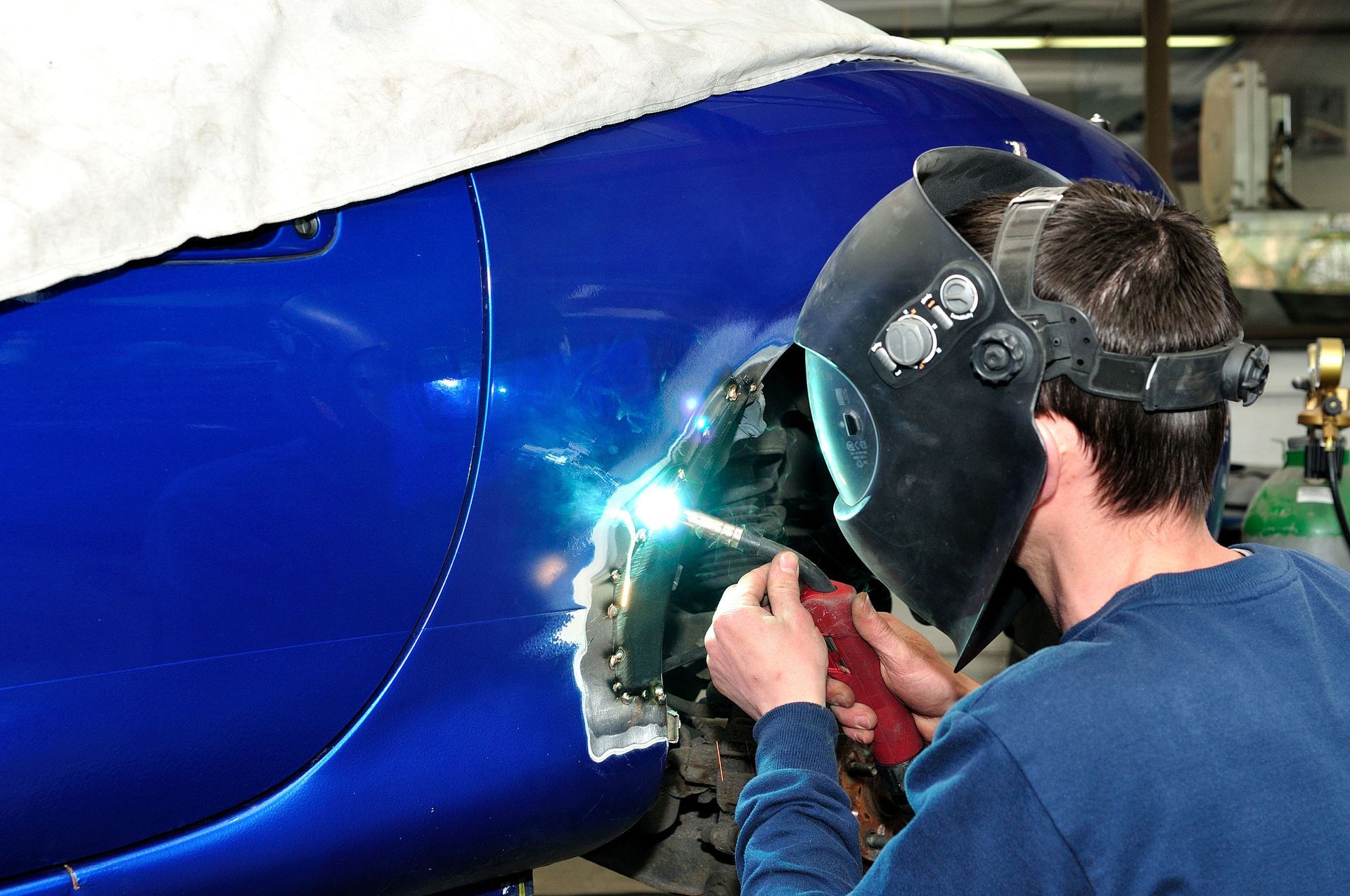
Vehicle construction has evolved to include different grades of steel, aluminum, composites, and other materials selected for specific performance characteristics. These materials can require different joining, welding, and repair techniques. Technicians need appropriate equipment and repair information to determine how damaged components should be handled.
Advanced welding systems allow auto body shops to perform joining procedures suited to modern vehicle construction. The correct approach can vary based on material type, component location, manufacturer requirements, and the nature of the repair. Heat management is particularly important because excessive or improperly applied heat can affect certain materials and surrounding components.
Access to manufacturer repair information is equally important. Technology alone does not determine the correct repair. Technicians must combine specialized equipment with current procedures that explain where sections may be joined, which attachment methods are appropriate, and what precautions apply. This combination helps support repairs that reflect the vehicle’s original engineering requirements.
Using Paint Technology to Improve Finish Accuracy
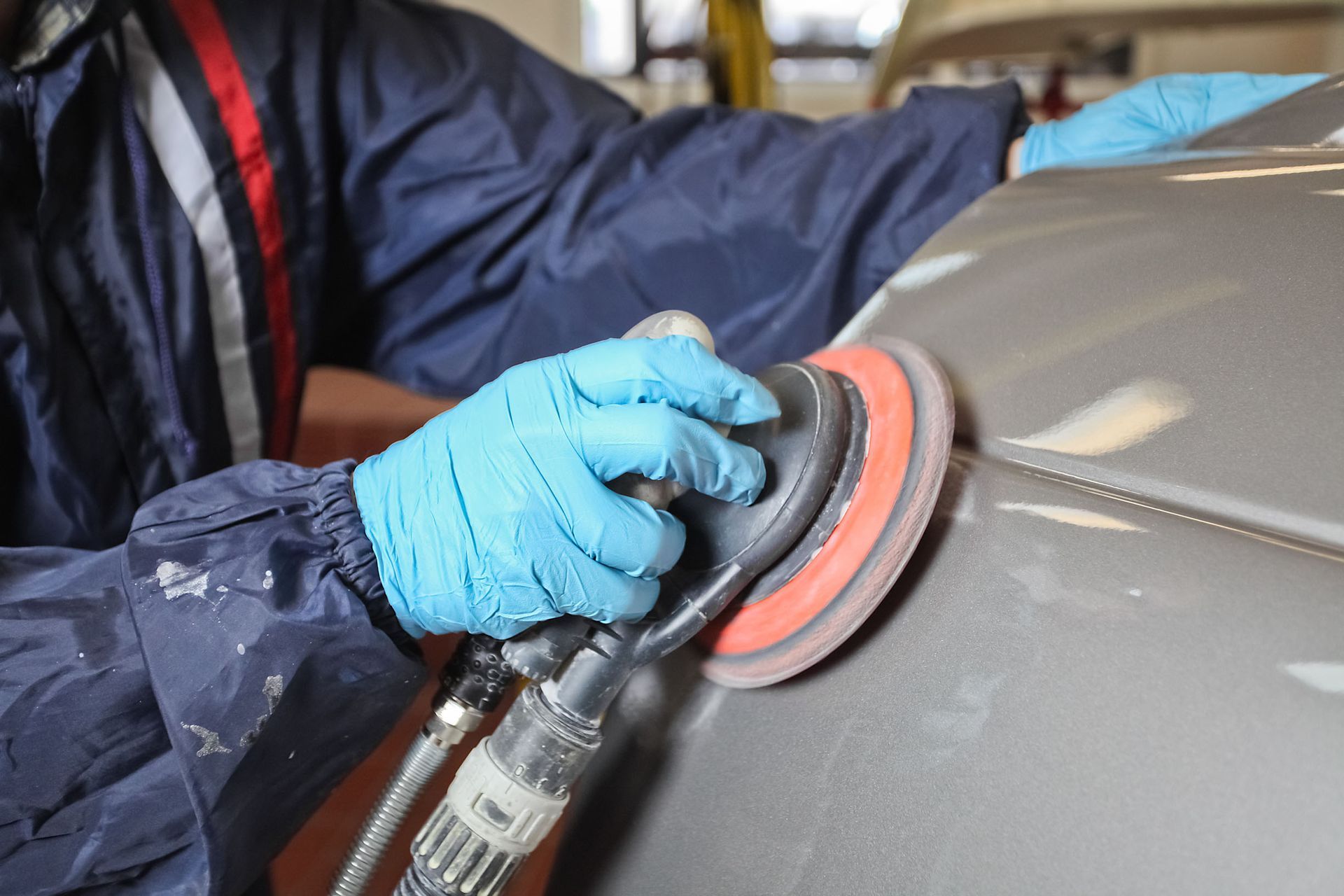
Refinishing technology has also become more sophisticated. Modern paint systems can use computerized color databases, digital color-matching tools, controlled mixing processes, and specialized spray equipment. These resources help technicians account for variations in paint formulas and identify an appropriate match for the vehicle being repaired.
Color matching can be complex because a vehicle’s existing finish may vary due to age, environmental exposure, previous repairs, or production differences. Skilled refinishing technicians use technology as a tool while also applying judgment when evaluating color, metallic orientation, texture, and blending requirements. The result depends on both accurate data and careful application.
Controlled paint environments further support consistency by helping manage airflow, contamination, temperature, and curing conditions. These technologies contribute to the visual side of collision repair while also helping shops organize refinishing work more efficiently. Precision in this stage matters because even structurally accurate repairs should integrate smoothly with surrounding panels.
Using Repair Data to Strengthen Quality Control
Digital repair information gives technicians access to procedures, specifications, diagrams, and technical requirements for individual vehicles. Because repair methods can differ significantly between makes and models, current information helps technicians determine which processes apply instead of relying on a single approach for every collision.
Quality control can also benefit from digital documentation. Measurements, scan reports, calibration records, photographs, and repair notes can provide checkpoints throughout the job. Many auto body shops use these records to confirm that required operations were addressed and to support communication among technicians, estimators, insurers, and vehicle owners.
The growing use of technology reflects the scale and complexity of the collision repair field. According to Grand View Research, the automotive collision repair market in the United States is expected to generate US$38.95 billion in revenue by 2030. As vehicle technology continues to evolve, repair facilities must continue adapting their tools, training, and technical information to the vehicles they service.
Using Integrated Technology to Deliver Precise Collision Repair
Precision collision repair depends on more than any single machine or software platform. Digital diagnostics, structural measuring, electronic scanning, calibration equipment, advanced welding systems, refinishing tools, and repair databases work together to support informed decisions throughout the repair process. The value of these technologies comes from how effectively trained professionals interpret and apply the information they provide.
For vehicle owners, this integration helps explain why choosing among auto body shops involves more than comparing visible repair capabilities. Modern collision work may require coordination across structural, mechanical, electronic, and cosmetic systems. A repair facility must understand how these areas interact and follow appropriate procedures for the specific vehicle.
Technology will continue to shape collision repair as vehicles incorporate more sensors, software, specialized materials, and connected safety systems. Facilities that work with modern vehicles must be prepared to evaluate these elements as part of a complete repair rather than focusing only on exterior damage.
Choosing Professional Support for Modern Collision Repair
When a collision requires professional attention, accurate assessment and coordinated repair processes are essential. At Lake Country Collision, we use modern repair resources and professional expertise to evaluate damage and complete collision work with attention to manufacturer procedures and vehicle-specific requirements. Contact us to discuss your repair needs and learn how our team can help restore your vehicle with precision and care.
Share On: